


Kia EV6 Range: 2027 EPA Ratings by Configuration and Winter Driving
The Quick Answer
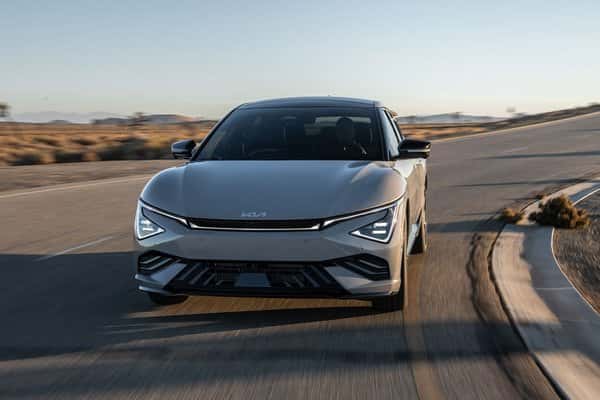
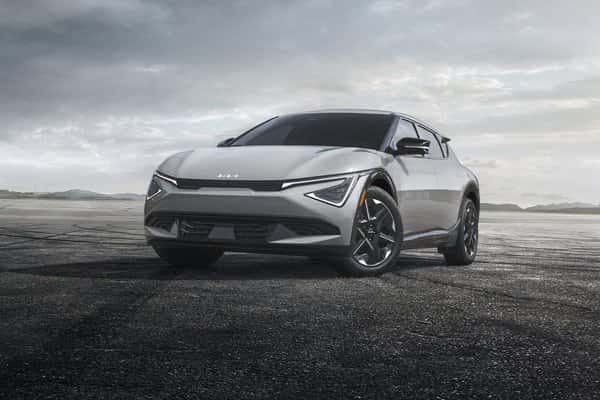
The 2027 Kia EV6 is EPA-rated for 237 to 319 miles on a full charge, depending on configuration. The Long Range RWD is rated highest at 319 miles, Long Range AWD at 295 miles on 19-inch wheels or 270 on 20-inch wheels, and Standard Range RWD at 237 miles. Cold weather and cabin heater use can cut real-world range noticeably.
The EV6’s range depends on its configuration. This guide uses the EPA’s published 2027 EV6 records, checked Nov. 7, 2026, rather than assuming an earlier model year’s details still apply.
It also covers what EPA range means and what federal sources say about cold and hot weather, which matters on Middle Tennessee’s cold mornings and humid summer days.
In this guide
- What is the range of the 2027 Kia EV6?
- Which Kia EV6 has the longest range?
- Is EV6 range higher in the city or on the highway?
- Why are EVs efficient in the first place?
- How does cold weather affect EV6 range?
- How can you protect EV6 range in winter?
- Does hot weather affect EV6 range?
- How should you plan EV6 trips around Middle Tennessee?
- How do you estimate what 2027 EV6 driving costs?
- What should you know about charging at home?
- Does an EV6 need less maintenance than a gas vehicle?
- Frequently asked questions
- Where can you test-drive an EV6 near Franklin?
- About the Author
- References
What is the range of the 2027 Kia EV6?
237 to 319 miles on a full charge, by EPA estimate. Here is each 2027 configuration the EPA lists:
| 2027 EV6 configuration (EPA) | EPA range | Combined MPGe | kWh/100 mi |
|---|---|---|---|
| Standard Range RWD | 237 miles | 115 | 29 |
| Long Range RWD | 319 miles | 114 | 30 |
| Long Range AWD, 19-inch wheels | 295 miles | 106 | 32 |
| Long Range AWD, 20-inch wheels | 270 miles | 97 | 35 |
Match the EPA configuration to the specific vehicle’s window sticker. These ratings do not establish the equipment on a particular trim or build.
What does EPA range mean?
The EPA label explains that driving range is the approximate number of miles a fully charged vehicle can travel in combined city and highway driving before it must be recharged.
It is an estimate for comparing vehicles. Your own range will vary with temperature, speed, climate-control use and driving style.
How do you read MPGe and kWh per 100 miles?
Both measure efficiency, from different angles. The EPA explains them this way:
- MPGe: miles per gallon of gasoline-equivalent, or how far the vehicle can go on electricity with the same energy content as a gallon of gasoline. Higher is better.
- kWh/100 mi: how many kilowatt-hours the vehicle would use to travel 100 miles. Lower is better, and it relates directly to electricity cost.
- Combined: a weighted average of the city (55%) and highway (45%) values.
The EPA notes that a consumption figure like kWh per 100 miles can give a more accurate comparison than an economy figure like MPGe.
Which Kia EV6 has the longest range?
The Long Range RWD configuration, at 319 miles. It is also the most efficient Long Range version in the EPA records, at 30 kWh per 100 miles.
The Standard Range RWD is the most efficient of all four at 29 kWh per 100 miles, but its 237-mile rating is the lowest.
How much do AWD and wheel size matter?
Noticeably, in the EPA ratings. Long Range AWD is rated 295 miles on 19-inch wheels and 270 miles on 20-inch wheels, compared with 319 miles for Long Range RWD.
- RWD to AWD (19-inch): 24 fewer EPA-rated miles.
- 19-inch to 20-inch wheels on AWD: another 25 fewer miles.
If range is your top priority, compare drive type and wheel size carefully when choosing a specific vehicle.
Is EV6 range higher in the city or on the highway?
In the city, for every configuration. The EPA records list separate city and highway range estimates:
| 2027 EV6 configuration | City range | Highway range | MPGe city/hwy |
|---|---|---|---|
| Standard Range RWD | 263 miles | 212 miles | 128 / 103 |
| Long Range RWD | 357 miles | 282 miles | 128 / 101 |
| Long Range AWD, 19-inch | 318 miles | 271 miles | 117 / 95 |
| Long Range AWD, 20-inch | 294 miles | 245 miles | 106 / 89 |
That pattern matters for planning. A long interstate trip will typically use more of your range per mile than errands around town.
Why are EVs efficient in the first place?
Electric drive wastes less energy. The EPA’s EV overview says EVs convert over 77% of the electrical energy from the grid to power at the wheels, while conventional gasoline vehicles convert only about 12% to 30% of the energy in gasoline.
It also notes that electric motors provide quiet, smooth operation and strong acceleration, and that most EVs can travel more than 100 miles on a charge, with some exceeding 200 or 400 miles depending on the model.
How does cold weather affect EV6 range?
It reduces it. The EPA’s cold-weather page says EV efficiency can drop about 39% and range about 41% in mixed driving at 20°F, with about two-thirds of the extra energy used to heat the cabin.
Without the cabin heater, the EPA says EV efficiency is about 8% lower and range about 12% lower at 20°F than at 75°F.
Those are general figures, based on a 2019 AAA study, not EV6-specific results. Actual losses vary by vehicle, temperature, speed and how you use climate control.
Why do EVs lose range in the cold?
Mostly heat. NHTSA says batteries store and deliver less energy at low temperatures, so most vehicle batteries use some power to warm themselves. Colder, denser air and lower tire pressure add drag and rolling resistance too.
How can you protect EV6 range in winter?
Use the grid for heat, and keep the battery warm. Federal sources recommend:
- Precondition while plugged in: the EPA says preheating the cabin while connected to the charger can extend range.
- Use seat warmers if equipped: the EPA says using them instead of the cabin heater can save energy and extend range.
- Plug in overnight: NHTSA says plugging in at night during winter helps keep the battery in its optimal temperature range.
- Park in a garage when possible: the EPA suggests parking in a warmer place.
- Remove roof racks when not in use: the EPA says accessories that add wind resistance lower efficiency.
- Check tire pressure: pressure drops as temperatures fall, and the EPA notes that lower pressure increases rolling resistance.
NHTSA also notes that cold weather can reduce the driving range of electric vehicles, so leave extra margin on winter trips.
Does hot weather affect EV6 range?
It can. The EPA says air conditioning’s effect on EVs can be even larger on a percentage basis than on conventional vehicles.
- Pre-cool while plugged in: the EPA says pre-cooling the cabin while connected to the charger can extend range.
- Use a warmer A/C setting: it uses less battery power.
- Learn your controls: the EPA suggests reading your owner’s manual for how to best use the A/C system.
What else helps in summer?
The EPA’s hot-weather tips are written for all vehicles, but several apply to EVs too:
- Park in the shade or use a sunshade so the cabin does not get as hot.
- Air out the cabin briefly before using the A/C, so the system has less work to do.
- Roll the windows down at lower speeds and use the A/C at highway speeds, since open windows add drag that grows with speed.
- Do not run the A/C more than needed or set it colder than needed.
How should you plan EV6 trips around Middle Tennessee?
Start with the EPA rating for your exact configuration, then leave a buffer for weather, speed and climate use.
- On cold mornings, precondition while plugged in before you leave.
- For highway trips, plan with the highway range estimate rather than the combined figure.
- Watch your own efficiency over a few weeks to learn how your driving compares with the EPA estimate.
How do you estimate what 2027 EV6 driving costs?
Use the kWh per 100 miles figure. The EPA says it relates directly to the amount of electricity used, and so to cost, and the Alternative Fuels Data Center says cost per mile comes from your electricity price and the vehicle’s efficiency.
- The formula: multiply the EPA kWh per 100 miles by your price per kWh to get the cost of 100 miles.
- A worked example: at the Long Range RWD rating of 30 kWh per 100 miles, each 1-cent change in your rate changes the cost of 100 miles by 30 cents.
- Configuration matters: Long Range AWD on 20-inch wheels is rated at 35 kWh per 100 miles, about 20% more electricity per mile than Standard Range RWD at 29.
The AFDC adds that actual home charging costs depend on the equipment, the time of day and how long you charge, and that some utilities offer time-of-use rates.
Why can’t you calculate range from battery size?
Because EVs are not designed to use every bit of battery capacity. The EPA says range cannot be calculated from fuel economy and battery capacity for that reason. Its electricity-use figures are measured from the charge source, so they include the small amount of energy lost while charging.
What should you know about charging at home?
Most EV drivers charge overnight at home, according to the AFDC, using one of two levels of AC charging:
| Charging level | AFDC approximate rate | What the AFDC says about it |
|---|---|---|
| AC Level 1 (120 V) | About 5 miles of range per hour | Uses a standard household outlet; can meet many drivers’ daily needs |
| AC Level 2 (240 V) | About 25 miles of range per hour | Can charge a typical EV battery overnight; common for home installation |
| DC fast charging | Much faster | Public stations along travel corridors |
General figures, not EV6-specific.
The AFDC says actual charging speed depends on how depleted the battery is, how much energy it holds, the battery type, the vehicle’s internal charger capacity and the charging equipment. Check the owner’s manual and window sticker for the specific vehicle.
What does a Level 2 home installation involve?
An electrician and, often, a permit. The AFDC says these points matter:
- A qualified electrician can tell you whether your home has enough electrical capacity, and add circuits if needed.
- Installations must comply with local and state codes, and permits may be required.
- Most residential Level 2 chargers need a dedicated 40-amp circuit under the National Electrical Code.
- Buy safety-certified equipment, such as ENERGY STAR certified chargers, and consult the vehicle manufacturer’s guidance before buying.
Does an EV6 need less maintenance than a gas vehicle?
Generally, yes. The AFDC says all-electric vehicles typically need less maintenance because they have fewer moving parts and fluids, and regenerative braking significantly reduces brake wear.
Some battery systems use liquid coolant that may need regular checks, the AFDC adds, so follow your vehicle’s maintenance schedule.
How long do EV batteries last?
The EPA’s EV overview cites a DOE study suggesting EV batteries may last 12 to 15 years in moderate climates and 8 to 12 years in severe climates. The AFDC says many manufacturers offer 8-year/100,000-mile battery warranties, so check the warranty terms for the specific 2027 EV6.
Frequently asked questions
What is the range of the 2027 Kia EV6?
The EPA rates the 2027 EV6 at 237 to 319 miles on a full charge, depending on configuration.
Which 2027 EV6 has the longest range?
The Long Range RWD configuration, rated at 319 miles by the EPA.
Does AWD reduce Kia EV6 range?
In the EPA ratings, yes. Long Range AWD is rated 295 miles on 19-inch wheels and 270 miles on 20-inch wheels, vs. 319 miles for Long Range RWD.
How much range does an EV lose in winter?
The EPA says EV range can drop about 41% at 20°F with the heater in use, or about 12% without it. Results vary by vehicle and conditions.
How can I get more EV6 range in cold weather?
Precondition the cabin while plugged in, use seat warmers instead of the cabin heater, plug in overnight and keep tires properly inflated.
How fast does a Level 2 charger add range?
The Alternative Fuels Data Center says AC Level 2 charging adds roughly 25 miles of range per hour, compared with about 5 miles per hour on Level 1. Actual speed varies by vehicle and equipment.
Where can you test-drive an EV6 near Franklin?
Our team at Greenway Kia of Franklin can help you compare EV6 configurations and set up a test drive. Call sales at 615-538-1124 or service at 615-236-3210.
About the Author
This guide is from the sales and service team at Greenway Kia of Franklin, 1413 Murfreesboro Road, Franklin, TN 37067. The dealership’s website describes it as a Franklin Kia dealership serving the Nashville area, Madison, Murfreesboro, Brentwood and Spring Hill.
It was compiled from EPA/DOE fueleconomy.gov records and guidance, NHTSA winter driving guidance and U.S. Department of Energy Alternative Fuels Data Center pages. It does not report independent testing.
References
U.S. EPA/DOE: 2027 Kia EV6 — https://www.fueleconomy.gov/feg/bymodel/2027_Kia_EV6.shtml
U.S. EPA/DOE: 2027 EV6 Long Range AWD (19-inch wheels) vehicle record — https://www.fueleconomy.gov/ws/rest/vehicle/51029
U.S. EPA/DOE: 2027 EV6 Long Range RWD vehicle record — https://www.fueleconomy.gov/ws/rest/vehicle/51031
U.S. EPA/DOE: 2027 EV6 Long Range AWD (20-inch wheels) vehicle record — https://www.fueleconomy.gov/ws/rest/vehicle/51030
U.S. EPA/DOE: 2027 EV6 Standard Range RWD vehicle record — https://www.fueleconomy.gov/ws/rest/vehicle/51032
U.S. EPA/DOE: Fuel Economy in Cold Weather — https://www.fueleconomy.gov/feg/coldweather.shtml
U.S. EPA/DOE: Fuel Economy in Hot Weather — https://www.fueleconomy.gov/feg/hotweather.shtml
U.S. EPA/DOE: Electric Vehicle Label — https://www.fueleconomy.gov/feg/label/learn-more-electric-label.shtml
NHTSA: Winter Weather Driving Tips — https://www.nhtsa.gov/winter-driving-tips
U.S. EPA/DOE: All-Electric Vehicles — https://www.fueleconomy.gov/feg/evtech.shtml
U.S. DOE Alternative Fuels Data Center: Charging Electric Vehicles at Home — https://afdc.energy.gov/fuels/electricity-charging-home
U.S. DOE Alternative Fuels Data Center: Electric Vehicle Charging Stations — https://afdc.energy.gov/fuels/electricity-stations
U.S. EPA/DOE: Frequently Asked Questions — https://www.fueleconomy.gov/feg/info.shtml
U.S. DOE Alternative Fuels Data Center: Maintenance and Safety of Electric Vehicles — https://afdc.energy.gov/vehicles/electric-maintenance
Greenway Kia of Franklin: Kia Dealer & Pre-Owned Car Sales – Franklin TN — https://www.greenwaykiafranklin.com/
0 comment(s) so far on Kia EV6 Range: 2027 EPA Ratings by Configuration and Winter Driving